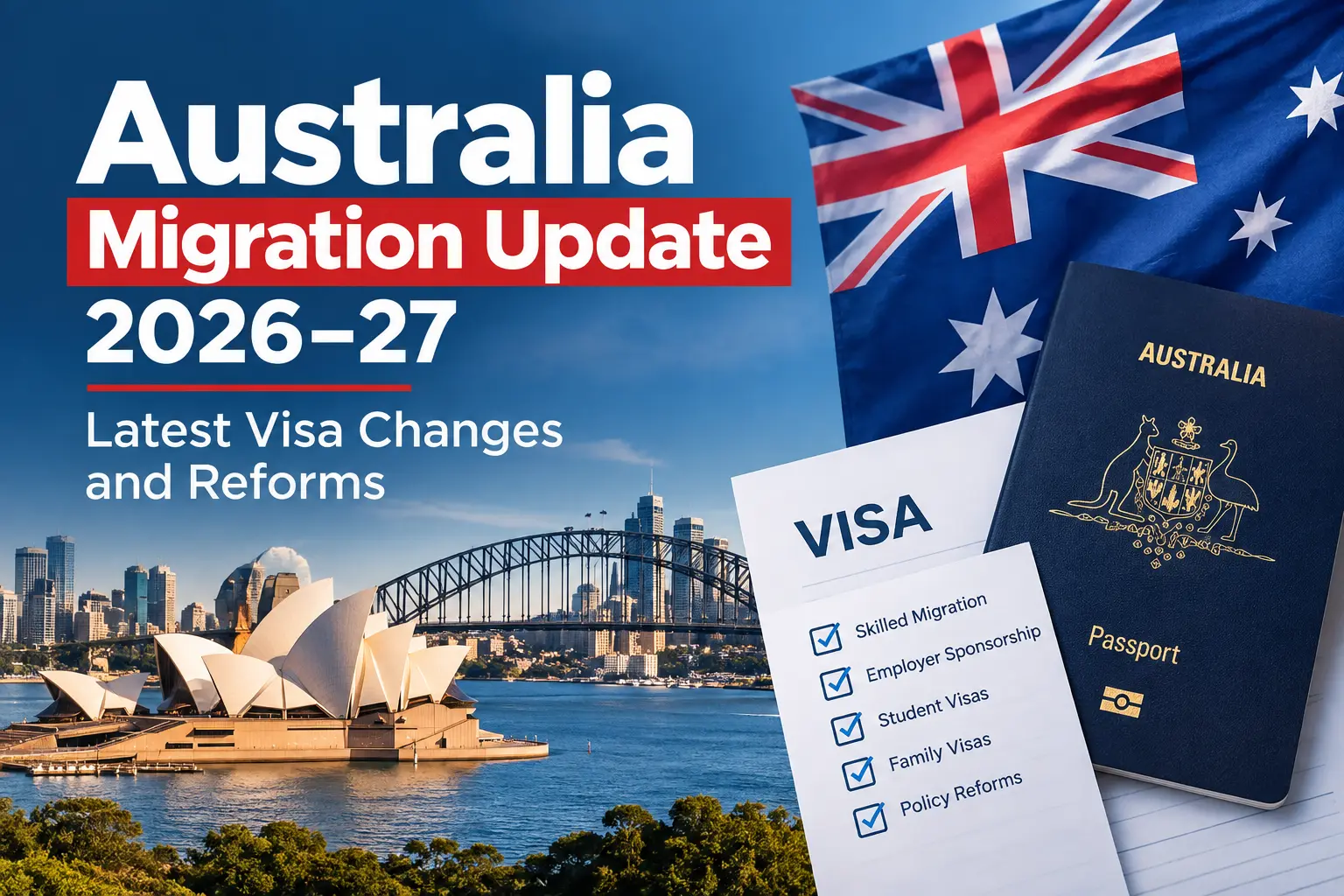
Australia just rolled out some updates to how it processes skilled visa applications, and they’re worth knowing about if you’re planning to migrate. As of 19 September 2026, certain applications are getting bumped up the queue based on the industry they’re connected to.
So Which Industries Get Priority?
Australia’s putting extra focus on sectors where there’s a real workforce shortage:
- Healthcare
- Construction
- Teaching and education
- Agriculture
- Resources
- Aquaculture
- Fishing
- Law enforcement
- Defence
Worth noting: this doesn’t shut the door on everyone else. If your occupation isn’t on this list, you can still apply – it just means applications tied to these sectors might get looked at sooner.
Which Visas Does This Actually Affect?
Quite a few of the main skilled visa pathways are covered by these changes:
- Subclass 482 – Skills in Demand
- Subclass 186 – Employer Nomination Scheme
- Subclass 189 – Skilled Independent
- Subclass 190 – Skilled Nominated
- Subclass 191 – Permanent Residence (Skilled Regional)
- Subclass 491 – Skilled Work Regional
- Subclass 494 – Skilled Employer Sponsored Regional
How much priority you actually get depends on which visa you’re applying for and which specific direction applies to it.
Does “Priority” Mean You’ll Get Approved Faster?
Not really, and this is important to understand. Getting priority just means your application gets looked at sooner – it doesn’t mean you’re guaranteed a faster outcome or an automatic approval. You still have to tick all the usual boxes:
- Skills assessment
- English language requirements
- Qualifications
- Work experience
- Sponsorship or nomination (if that applies to you)
- Health and character checks
What should You Do If You’re Planning to Migrate?
Before you apply, it’s worth taking a proper look at your occupation, getting your skills assessed, and figuring out which visa actually suits your situation. It’s also worth checking out employer-sponsored or regional visa options – they might open up pathways you hadn’t considered.
Basically, Australia’s migration system is leaning more and more toward matching skilled migrants with the jobs the country actually needs filled.
FAQs
1. What actually changed in Australia’s skilled migration system in 2026?
Australia introduced new processing priorities, giving certain sectors – healthcare, construction, education, and agriculture among them – a leg up in the queue.
2. When did this kick in?
19 September 2026.
3. Does priority processing guarantee I’ll get PR?
No. It just affects the order applications are reviewed in – not whether you’ll actually get approved.
4. Is healthcare one of the priority sectors?
Yes, healthcare is on the priority list.
5. What about construction?
Yes, construction is included too.
6. Can I still apply if my job isn’t on the priority list?
Yep. You’re not excluded – you’ll just be processed under the standard timeline rather than getting bumped up.
7. Which skilled visa should I go for?
Honestly, that depends on your specific situation – your occupation, skills, experience, age, English level, and whether you have sponsorship or nomination lined up. It’s worth getting proper advice tailored to your circumstances.